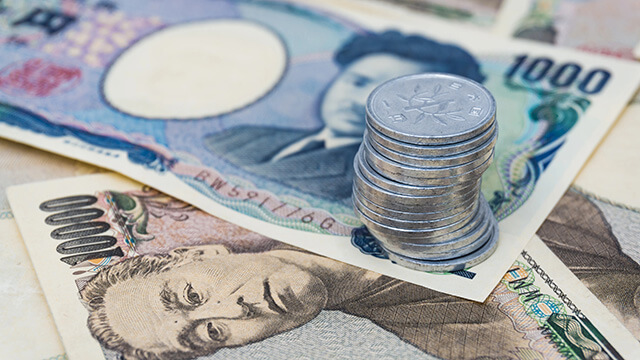
Japanese and South Korean authorities intervened in currency markets on Thursday and Friday in an effort to stem sharp declines in their respective exchange rates, according to market reports. The action was described by sources as unusual and possibly coordinated, with some indications that US officials may also have been involved through rate checks or related monitoring.
The Japanese yen recovered from levels near four-decade lows after the intervention, although the rebound proved fragile. Traders returned to testing Tokyo’s willingness to defend the currency after the Bank of Japan kept interest rates unchanged, a move that had been widely expected and did little to alter the broader policy backdrop.
At the same time, the South Korean won strengthened by about 2%, reaching its highest level in nine months. Market participants said South Korea’s foreign-exchange authorities likely sold dollars in a rare attempt to support the currency. The timing of the moves in Japan and South Korea suggested a more coordinated response to recent pressure in Asian foreign-exchange markets.
Reports in Japan also pointed to substantial yen-buying activity by the authorities, while US officials were said to have carried out rate checks, a step often associated with heightened market sensitivity.
In early trading on Friday, the dollar-yen pair was up 0.74% at 161. The move underscored how quickly market participants resumed selling the yen despite the intervention, reflecting skepticism over how long official support can hold without a shift in monetary policy. The yen remains heavily influenced by the Bank of Japan’s stance, the yield gap with US Treasuries, and broader risk appetite across global markets.USD/IDR extended its rebound in Asian trading on Friday, rising to around 18,120 after two sessions of declines. The Indonesian rupiah came under pressure after weaker-than-expected economic data from China, Indonesia’s largest trading partner, revived concern over regional growth momentum.
China’s official manufacturing PMI fell to 49.2 in July from 50.3 previously, slipping back into contraction territory and missing expectations of 50.0. The non-manufacturing PMI also weakened, declining to 49.0 from an anticipated 50.0. The data pointed to softer activity across both factories and services, adding to headwinds for currencies tied closely to Chinese demand.
The US dollar also found support as investors maintained a cautious stance on the Federal Reserve’s policy outlook. Markets continue to lean toward a higher-for-longer interest rate environment, which has helped sustain demand for the greenback against emerging-market currencies. Recent commentary has also highlighted divisions within the Federal Open Market Committee, with the latest rate decision showing a 9-3 split and reinforcing debate over the pace of future policy moves.
At the same time, some of the dollar’s safe-haven appeal may ease if geopolitical conditions continue to improve. Signs of progress in Middle East diplomacy have helped reduce risk aversion, and further advances in negotiations could limit demand for defensive assets. Reports of talks aimed at stabilizing the Strait of Hormuz have also contributed to a calmer market mood.
In addition, developments linked to Gaza and broader regional security have raised hopes for a gradual de-escalation. If those efforts gain traction, the dollar could lose some of the support it has recently enjoyed from caution in global markets. For now, however, weaker Chinese data and a firm US rate backdrop remain the main drivers behind USD/IDR’s advance.