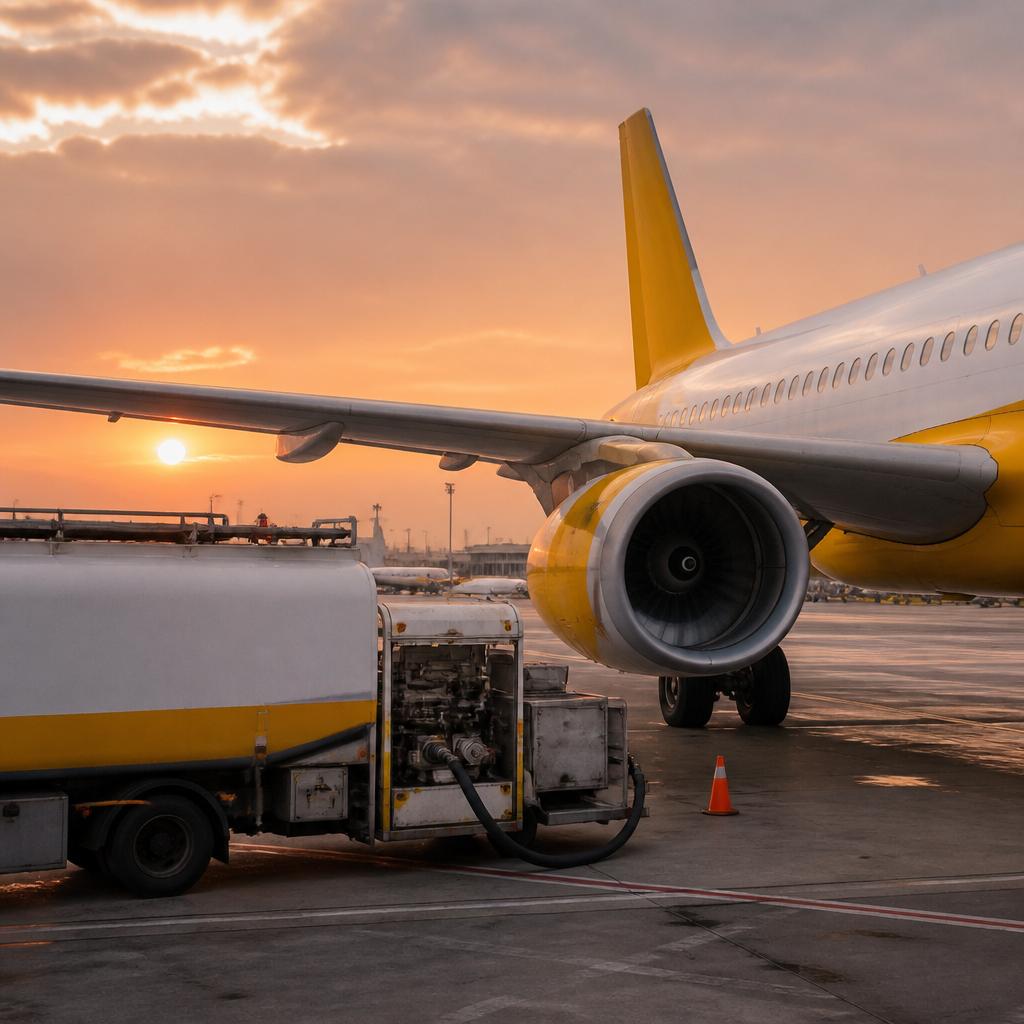
Southeast Asia’s budget airlines are hoping the worst of the Middle East-driven fuel shock is behind them, but the region’s low-cost carriers still face a tough second half as margins remain under pressure and strained household budgets could weaken demand, according to Reuters on 24 August 2026.
What happened?
Reuters reported that airline executives and analysts see signs the most severe phase of the fuel shock may be easing. Even so, they say the damage has not fully cleared, and budget carriers are still dealing with the aftereffects in their operating results.
The immediate issue is not just fuel prices themselves, but the way higher fuel costs have squeezed profitability. For airlines that compete largely on low fares, even a modest rise in operating costs can make it harder to protect margins.
Why does it matter for traders?
For commodities-linked markets, airline margins are often read as a real-world signal for jet fuel demand and travel conditions. When low-cost carriers talk about pressure from fuel, traders tend to watch for signs that energy costs are still filtering through to transport and tourism activity.
Reuters said the bigger concern is that weaker household finances may now cap any rebound in demand. If consumers keep tight control of discretionary spending, budget airlines may find it harder to lift loads and restore pricing power.
What the market is watching
- Fuel costs: Airlines still describe the Middle East-driven shock as a major drag on margins.
- Second-half demand: A recovery depends partly on whether strained household budgets begin to ease.
- Low-cost pricing: Budget carriers may struggle to pass higher costs on without damaging demand.
How bad is the damage?
Reuters did not give a numerical estimate for the hit to earnings or fuel expenses, but its report made clear that the pressure is still visible in margins. That means carriers may be entering the next stretch of the year with less room to absorb another spike in fuel or a slowdown in bookings.
For traders, that combination matters because airline shares and broader travel demand can respond quickly to changes in fuel sentiment. If fuel eases and consumers keep flying, budget carriers could improve. If either side weakens, the recovery could stall.
What happens next?
Reuters said executives and analysts are hopeful that the worst of the fuel shock has passed, but they also warned that the second half will be difficult. The key question is whether lower pressure on fuel is enough to offset weak consumer spending and keep demand moving in the right direction.
Until that becomes clearer, Southeast Asia’s budget airlines appear stuck between improving fuel conditions and an uncertain demand backdrop. That leaves them exposed to any renewed jump in energy costs or further softness in household budgets.
Risk disclaimer: This article is for information only and does not constitute investment advice. Market conditions can change quickly.