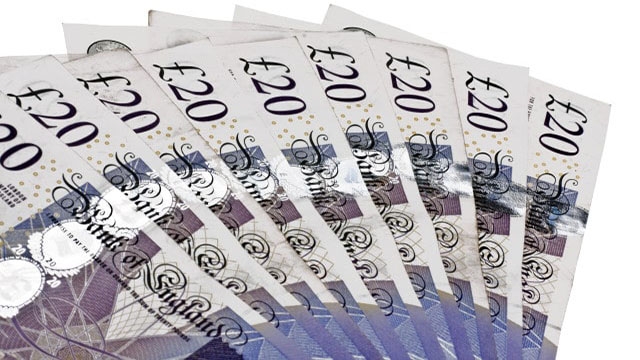
Retail sales in the United Kingdom recovered in March, offering a firmer picture of household spending after a weak February. According to the Office for National Statistics, sales volumes rose 0.7% month over month, reversing a revised 0.6% decline in the previous month. Economists had expected a more modest 0.2% increase.
The improvement was not uniform across the report. Core retail sales, excluding auto fuel, increased 0.2% in March, matching expectations and following a revised 0.6% fall in February. The figures suggest consumers remained cautious, but spending conditions improved enough to produce a monthly rebound.
On an annual basis, total retail sales increased 1.7% in March, slowing slightly from February’s revised 1.8% gain and beating the 1.2% forecast. Core sales were also up 1.7% compared with a year earlier, down from February’s revised 2.7% rise and beneath the 2% consensus estimate.
The report points to a mixed consumer backdrop. The monthly increase indicates some stabilization in spending after winter weakness, but the softer year-over-year readings show that underlying demand remains uneven. Higher living costs and a still-cautious consumer environment continue to weigh on broader retail activity.
The pound showed little immediate reaction to the release. Sterling was broadly steady against the dollar following the data, with GBP/USD trading slightly lower near 1.347. The muted move reflected the mixed nature of the figures, which offered support through the monthly rebound but failed to signal a strong acceleration in underlying consumption.Asian equity markets moved lower on Friday as renewed gains in oil prices weighed on risk sentiment, with stalled US-Iran talks and continued disruption in the Strait of Hormuz adding to concerns over energy supply. The rise in crude has reinforced worries that inflation may stay elevated for longer, while also increasing pressure on global growth prospects.
The region is especially exposed to these developments because several major Asian economies rely heavily on oil imports from the Middle East. As uncertainty around shipping lanes persists, investors have become more cautious toward assets tied to cyclical growth and broad market recovery.
Hong Kong’s Hang Seng Index slipped 0.2% to around 25,860, while South Korea’s KOSPI fell 0.9% to near 6,410. China’s SSE Composite Index lost 0.6% and traded around 4,050. Japan’s nikkei 225, however, gained 0.6% to approximately 59,500, standing out from the broader regional decline.
Japanese inflation data showed annual consumer prices rising 1.5% in March, up from 1.3% in February. Core inflation increased to 1.8% from 1.6%, but remained below the Bank of Japan’s 2% target for a second straight month. The figures suggest underlying price pressure is improving, though not yet enough to signal that policy can tighten aggressively.
Markets continue to expect the BoJ to keep interest rates unchanged at next week’s meeting. Policymakers are likely to remain cautious as they assess the impact of higher energy prices and the broader risks created by instability in the Middle East.
In Hong Kong, weak risk appetite reflected the combination of geopolitical uncertainty and mixed global cues. South Korean shares were pressured by losses in technology stocks, following overnight declines on Wall Street and some profit-taking after recent highs. Defense-related companies helped limit the downside, with gains in names such as Hanwha Aerospace and Doosan Enerbility as investors positioned for a more uncertain geopolitical backdrop.